

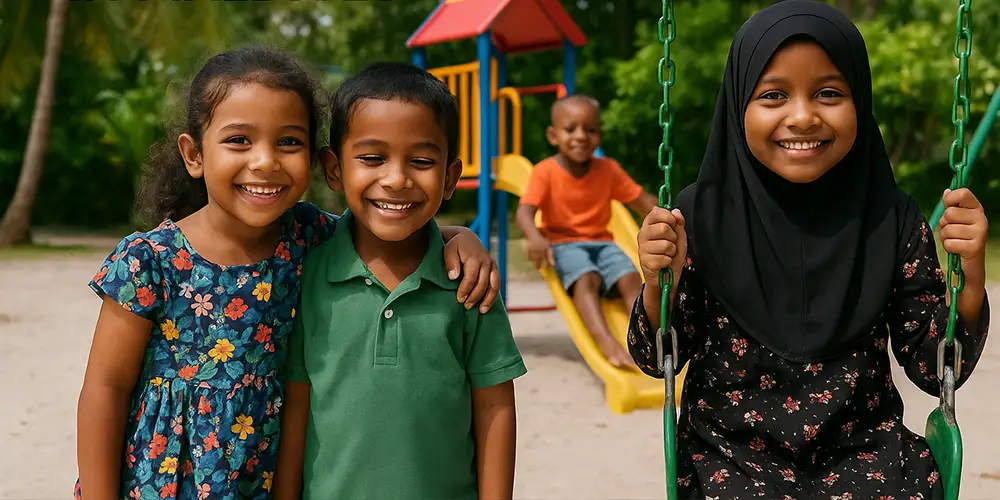
Creating an empowering and inclusive environment for children with special needs is more than just a noble goal—it is a fundamental necessity for fostering development and ensuring that all children have the chance to thrive. While the concept of “inclusion” is often associated with mainstream education, it can be applied in various settings to support children with different abilities, particularly those exhibiting traits of autism or other developmental delays.
Inclusion means more than just physical presence in classrooms or community spaces. It means integrating every child in a way that acknowledges their unique needs, values their potential, and builds confidence in their abilities. For children who may require additional support in communication, socialization, or behavior management, it is essential to create environments that are flexible, adaptive, and welcoming.
The Key Components of an Empowering Environment:
- Individualized Support Plans: Every child is unique, and as such, their needs will vary. Creating personalized plans that cater to their specific strengths and challenges ensures they receive the best support possible.
- A Safe and Nurturing Space: Children with special needs, particularly those with autism, often require a structured environment that promotes security. Offering a predictable routine, clear communication, and opportunities for rest helps them feel safe and supported.
- Collaboration with Families: No one understands a child better than their family. Close collaboration with parents and caregivers ensures that strategies align with home routines and family values, fostering continuity of care and support across settings.
- Community Engagement: Inclusion extends beyond school walls. When children with special needs are included in community activities—sports, cultural events, and social groups—it promotes understanding, reduces stigma, and helps them develop a sense of belonging.
By creating environments that promote empowerment and inclusion, we ensure that children with special needs have every opportunity to succeed and contribute meaningfully to society. Such environments not only help children grow, but they also foster empathy and understanding among peers, teachers, and the broader community.